
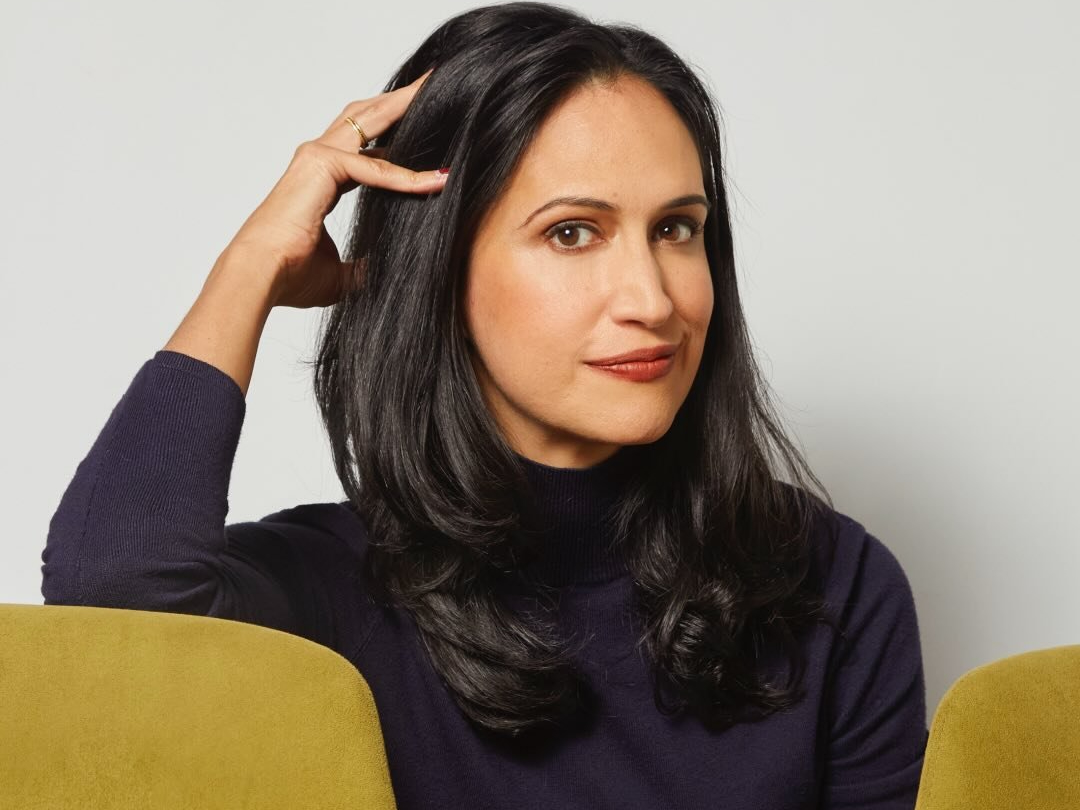
photo by Fernando Palafox
Priya Parker’s research to understand the unique anxieties of “the next generation of socially-concerned, globally-minded leaders” was featured in The Circle’s Recharge section, back in 2019.
“Despite all odds, and with integrity, how do you get people to connect meaningfully, to take risks, to be changed by their experience?” She encourages any of us, when we gather, to address our deeper needs, proactively creating the conditions for meaning and relevance. Gatherings can, “at their best, allow us to be among others, to be seen for who we are. And, to see.”
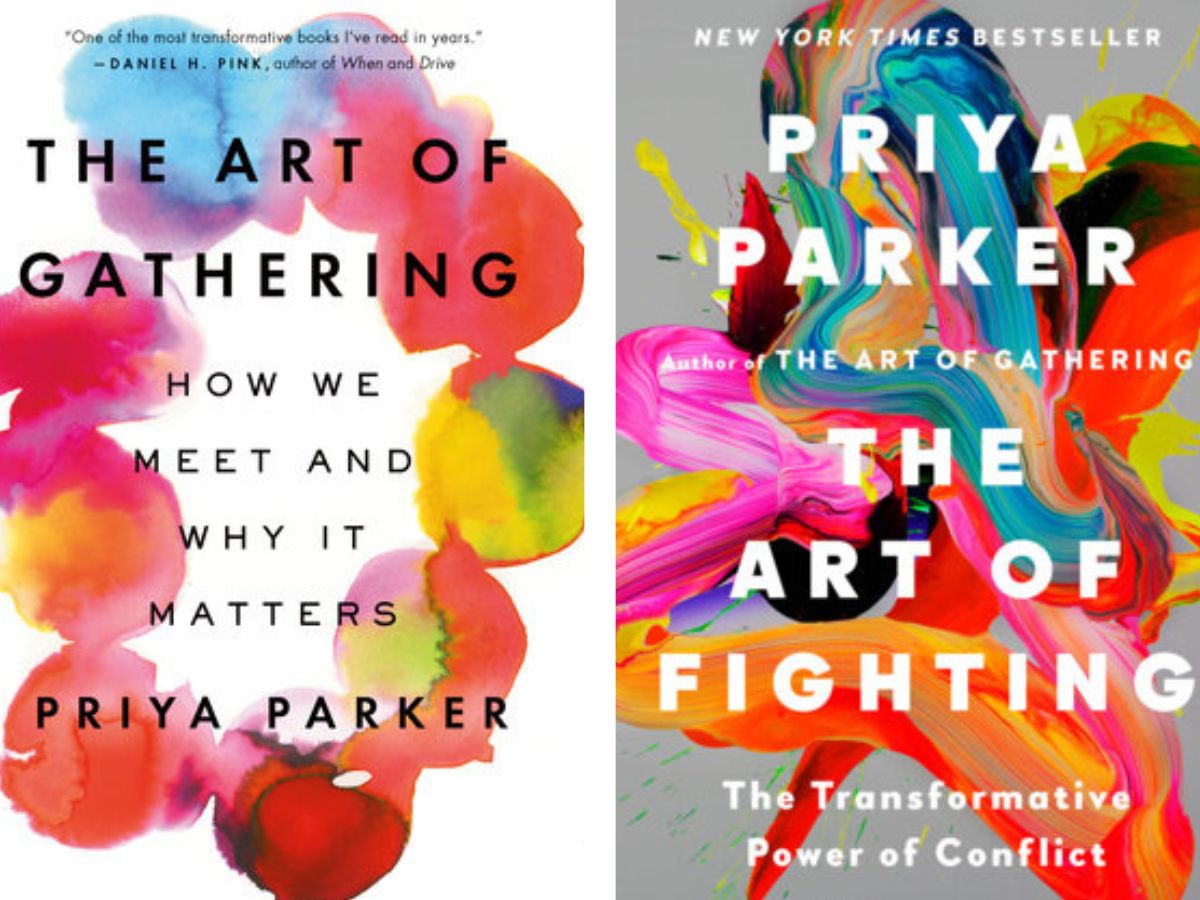
In short, how we gather makes a difference. And today, Parker continues her work, showing us how the way we fight also makes a difference.
Connecting directly to her work as a conflict resolution trainer in the U.S. and around the globe, The Art of Fighting: The Transformative Power of Conflict describes how fighting can be generative. It is not despite disagreement, but because of it, that groups can flourish. In fact, we don’t form or grow effective relationships without it.
“We say we want community. Successful teams. High-performing colleagues and workplaces. Dynamic friend groups. Yet many of us don’t understand the crucial element we need to forge long-lasting communities in our lives: healthy conflict… Understanding healthy conflict and how to harness its power is more important than ever.”
Conflict is about relevance. As host Esther Perel summarizes during their recent conversation on Where Should We Begin?, “…conflict is the prime expression of the fact that something matters.” Citing the work of Howard Markman, Ph.D., she talks about three categories of why we fight. One, for power and control: who makes decisions, whose priorities matter most? Two, for care and closeness: is there trust, do you have my back, can I rely on you? Three, for respect and recognition: do you value me, do I matter?
Parker discusses how conflict is the lifeblood of relationships, and not something to fear. We can learn to hold uncertainty, avoid “unhealthy peace,” have difficult conversations and hold space for “healthy heat” in those conversations. “Groups can’t form without a fight… Who are we, what are we about?”
Whether in our volunteer or staff teams, in corporations, in nonprofits or beyond — fights begin with a rupture, usually at a predictable moment in a group’s lifespan. What are we actually fighting about; what is the need underneath the complaint? How do we stay in the conflict and moment of relational fragility without doing damage? How do we repair, and read what the group needs after the conflict, whether it’s coming back together stronger or parting ways? How do we master the art of ending when that is the best course?
As Parker described hearing from fellow conflict facilitator and author of What it Takes to Heal: How Transforming Ourselves Can Change the World) Prentis Hemphill, “We’re often having the wrong fight. And the job of the facilitator… is to help us have the right fight. What do we actually need to talk about?”
Curated by The Circle’s Creative Director & Editor, Lara Herscovitch (Cohort 10). To reach Lara directly: thecircle@clpnewhaven.org or Lara@LaraHerscovitch.com